
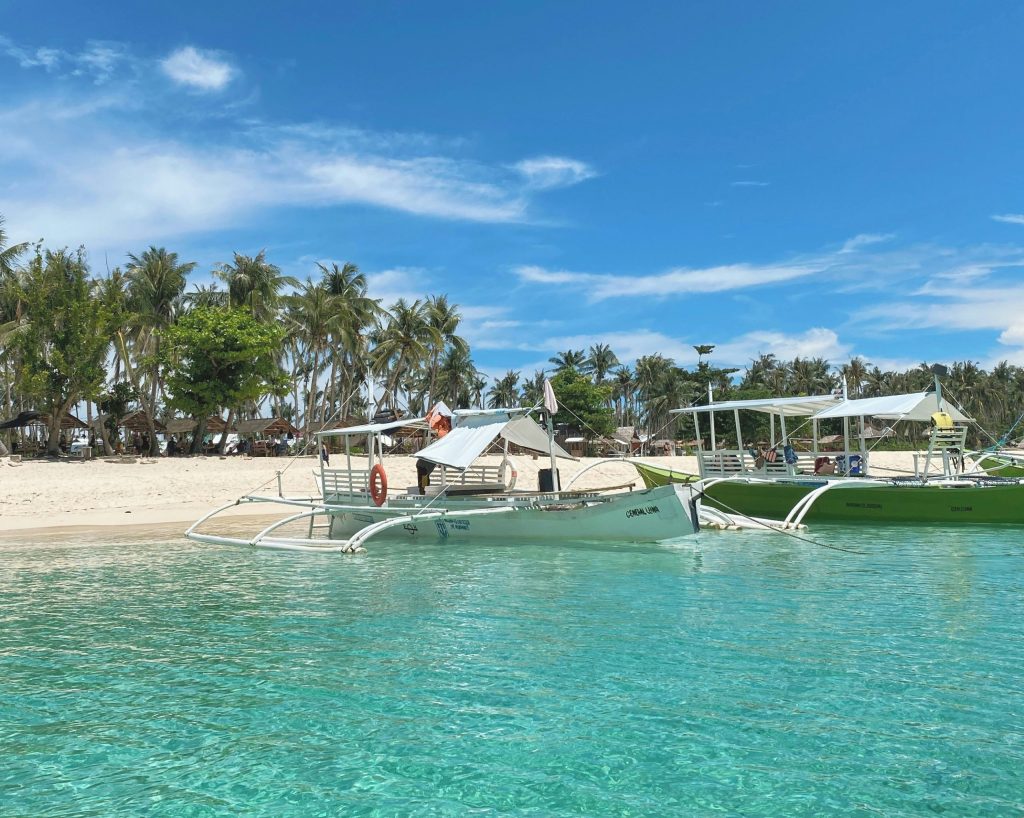
The Philippines is widely known as one of the more affordable destinations in Asia for travelers, digital nomads, retirees, and long-term expatriates. Compared with Western countries, the cost of living is significantly lower, yet the country still offers modern cities, beach destinations, international restaurants, and English-speaking communities.
However, actual living costs vary widely depending on lifestyle and location. Living in a luxury condo in Metro Manila can cost several times more than renting a house in a provincial town. Understanding these differences is essential for foreigners planning a vacation, long-term stay, or retirement in the country.
This guide explains the cost of living in the Philippines, regional differences, and realistic budgets.
Average Cost of Living in the Philippines
Overall, the Philippines remains relatively affordable compared with many countries worldwide. The average monthly cost of living for a single person is about $607 (around ₱33,000), including rent, while a family of four may spend roughly $1,445 (about ₱80,000) depending on lifestyle.
Excluding rent, basic living expenses typically average ₱30,000–₱35,000 per month for one person and ₱75,000–₱145,000 for a family of four.
For foreigners or retirees who want a more comfortable lifestyle with dining out, travel, and imported products, monthly budgets commonly range from $1,200 to $2,500 for a couple.
Typical Monthly Budget for a Single Foreigner
| Expense Category | Estimated Monthly Cost |
|---|---|
| Rent | ₱25,000 – ₱40,000 |
| Utilities | ₱4,000 – ₱8,000 |
| Internet & Mobile | ₱2,000 – ₱4,000 |
| Food & Groceries | ₱8,000 – ₱15,000 |
| Transportation | ₱5,000 – ₱12,000 |
| Dining & Entertainment | ₱8,000 – ₱20,000 |
| Health Insurance | ₱5,000 – ₱10,000 |
| Miscellaneous | ₱5,000 – ₱10,000 |
Estimated total: ₱62,000 – ₱119,000 ($1,000 – $2,000+) per month depending on lifestyle.
Housing Costs in the Philippines
Housing is usually the largest expense for foreigners living in the Philippines.
Rental prices depend heavily on location, property type, and proximity to business districts or tourist areas.
Average Monthly Rent
| Location | Typical Rent (1-bedroom apartment) |
|---|---|
| Metro Manila (central areas) | ₱25,000 – ₱40,000 |
| Cebu or Davao | ₱15,000 – ₱25,000 |
| Tourist islands (Boracay, Siargao) | ₱15,000 – ₱40,000 |
| Smaller cities | ₱12,000 – ₱20,000 |
In many provinces, rent can be up to 50% cheaper than in Manila, making smaller cities attractive to expatriates seeking lower costs and a quieter lifestyle.
Popular cities among foreign residents include Cebu, Dumaguete, Bacolod, and Davao, which offer a balance of affordability and urban amenities.
Cost of Food and Groceries
Food prices in the Philippines are relatively low if you eat local dishes and shop at traditional markets. However, imported products and international restaurants can significantly increase costs.
Typical Grocery Prices
| Item | Average Price |
|---|---|
| Rice (1 kg) | ₱45 – ₱60 |
| Chicken (1 kg) | ₱150 – ₱200 |
| Vegetables (1 kg) | ₱50 – ₱100 |
| Local fruits (1 kg) | ₱60 – ₱120 |
| Imported cheese (200 g) | ₱250 – ₱400 |
Meals at local eateries (called carinderias) may cost ₱60–₱150, while a mid-range restaurant meal usually costs ₱300–₱600 per person.
Monthly grocery expenses typically range from:
- ₱8,000–₱15,000 for a single person
- ₱20,000–₱40,000 for a family buying mostly local products
Utilities and Internet Costs
Utilities are moderately priced, although electricity can become expensive if air conditioning is used frequently due to the tropical climate.
Average Monthly Utility Costs
| Utility | Cost |
|---|---|
| Electricity | ₱5,000 – ₱8,000 |
| Water | ₱300 – ₱500 |
| Internet (fiber) | ₱1,200 – ₱2,000 |
| Mobile phone plans | ₱500 – ₱1,000 |
For an average apartment, total utility costs may reach around ₱6,000 per month including electricity, water, and waste services.
Transportation Costs
Transportation in the Philippines is generally inexpensive compared to Western countries.
Common options include:
- Jeepneys: ₱12–₱20 per ride
- Buses: ₱15–₱50 depending on distance
- Motorcycle taxis (e.g., Angkas, JoyRide)
- Ride-hailing services (Grab)
Taxi fares are also relatively cheap, averaging about $0.22 per kilometer.
Many foreigners rely on ride-hailing apps or private cars in large cities like Manila because public transport can be crowded.
Cost Differences by Region
The Philippines consists of 7,000+ islands, so living costs can differ dramatically between regions.
Metro Manila
The capital region is the most expensive place to live in the country.
Typical costs:
- Rent in central districts: ₱30,000–₱60,000+
- Higher restaurant and nightlife prices
- More international products and services
However, Manila also has the best infrastructure, international hospitals, and modern condos.
Cebu
Cebu offers a balance between city convenience and island lifestyle.
Features:
- Lower rent than Manila
- Strong expat community
- International airport and business centers
Costs are typically 10–30% lower than Manila, depending on neighborhood.
Davao
Davao City is known for its safety, cleanliness, and affordability.
Average rent ranges around ₱10,000–₱25,000, making it one of the more economical large cities for foreigners.
Smaller Cities and Provinces
Places like Dumaguete, Iloilo, and Bacolod offer some of the lowest costs in the country.
Advantages include:
- Lower rent
- Cheaper food
- Slower lifestyle
Housing in these areas can be ₱12,000–₱20,000 per month for a decent apartment.
Sample Monthly Budgets
Budget Traveler
₱30,000 – ₱50,000 ($550 – $900)
Includes:
- Budget apartment or hostel
- Mostly local food
- Public transport
Comfortable Expat Lifestyle
₱70,000 – ₱120,000 ($1,200 – $2,100)
Includes:
- Modern condo
- Regular dining out
- Ride-hailing transportation
- Travel and entertainment
Luxury Lifestyle
₱150,000+ ($2,700+)
Includes:
- High-end condo in BGC or Makati
- Frequent dining at international restaurants
- Private transport or driver
Why Many Foreigners Choose the Philippines
Several factors make the Philippines attractive to foreign residents:
1. English is widely spoken
More than 60% of the population speaks English, making communication easy for visitors.
2. Low cost of living
Compared with Western countries, everyday expenses such as food, rent, and transportation are significantly lower.
3. Beautiful natural destinations
The country offers thousands of islands, beaches, mountains, and diving spots.
4. Friendly culture
Filipinos are widely known for hospitality toward foreigners.
Common Questions About Living in the Philippines
Is the Philippines cheap for foreigners?
Yes, compared with most Western countries. A comfortable lifestyle is possible for $1,000–$2,000 per month, depending on location and lifestyle.
What is the most expensive city in the Philippines?
Metro Manila, particularly districts like Makati, Bonifacio Global City (BGC), and Ortigas, is the most expensive area.
What is the cheapest place to live in the Philippines?
Provincial cities such as Dumaguete, Bacolod, Iloilo, and smaller towns offer the lowest living costs.
How much money do you need to retire in the Philippines?
Many expatriate retirees live comfortably on $1,200–$2,500 per month for a couple, depending on housing and lifestyle choices.
Final Thoughts
The Philippines offers one of the most affordable lifestyles in Southeast Asia, particularly for foreigners coming from high-income countries. With a relatively low cost of housing, inexpensive food, and friendly English-speaking communities, it remains a popular destination for travelers, digital nomads, and retirees.
However, living costs can vary significantly depending on location, lifestyle, and housing choices. Those who stay in major cities and rely on imported goods may spend several times more than someone living in a provincial town.
For foreigners planning a visit or relocation, the key to budgeting well is understanding these regional differences and adjusting your lifestyle expectations accordingly.
Related Articles
Compounding Interest Explained: How Money Grows (With Calculator)
What Is Bitcoin? Simple Guide to Understanding Cryptocurrency

Pag-IBIG Pasalo: How to Safely Take Over a Housing Loan

AAA Equities Philippines: Is It the Right Broker for Your Investment Goals in 2026?

COL Financial Philippines: How It Works, Account Opening Guide, Pros & Cons (2026)
