
Dropshipping is one of the most popular ways to start an online business with low upfront investment. It allows you to sell products online without holding inventory, which makes it appealing for beginners. However, while the concept is simple, succeeding in dropshipping requires understanding the nuances: how products are sourced, how fulfillment works, potential challenges, and the tools that make it manageable.
This guide will answer common questions, explain sourcing options, compare models like Amazon FBA, discuss hidden challenges, and introduce practical tools to help your store run smoothly.
What Is Dropshipping?
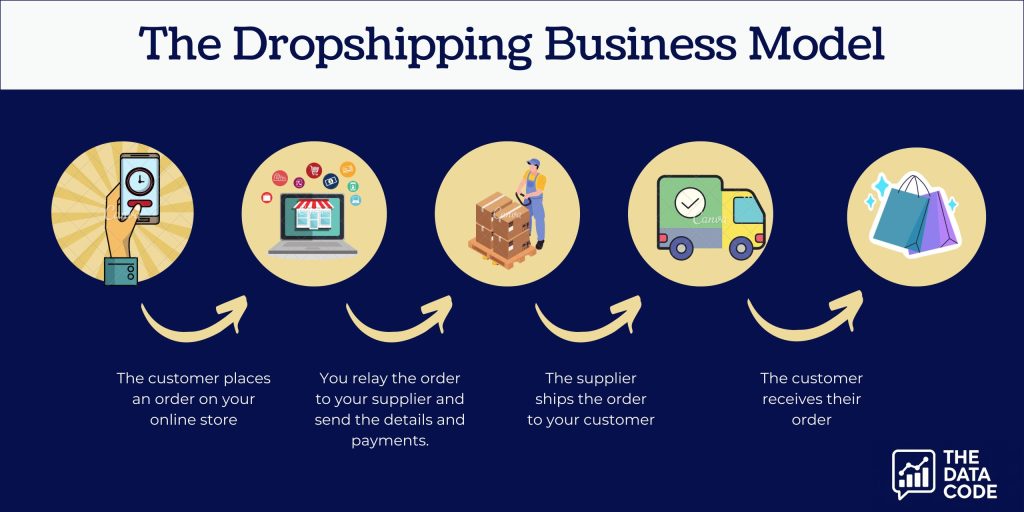
Dropshipping is a retail fulfillment model where you sell products online but never handle the inventory directly. When a customer places an order, you purchase the item from a third-party supplier, who ships it directly to the customer.
- Low startup cost – You don’t buy inventory upfront.
- No storage required – No warehouses or shelves.
- Flexible location – You can run your store from anywhere.
Sarah runs an online store selling smart home gadgets. When a customer orders a smart lamp, Sarah purchases it from a US supplier, who ships it directly to the customer. Sarah keeps the profit margin between the retail price and the supplier cost.
How Dropshipping Works
Choose a niche
You start by choosing a niche. Popular options include fitness gear, pet supplies, beauty products, and eco-friendly gadgets.
Look for suppliers
Then you look for suppliers from international platforms such as AliExpress and Alibaba. These Chinese manufacturers offer affordable products, giving you a bigger room for markup. However, shipping time is a major concern. So for other dropshippers, shipping from US-based suppliers such as Spocket and Modalyst works better.
Set up an online store
Once you have a supplier, you can then set up an online store. Most dropshippers use Shopify, WooCommerce, BigCommerce, or marketplaces like Amazon, eBay, and Etsy. Unlike the previous steps, this one requires you to shell out capital.
List products with markup
Once your online store is up, you can start listing your products. Make sure to use catchy images and videos, optimized product descriptions and titles, and the correct prices that account for the product cost, the shipping cost, and your markup.
Run ads
Potential customers won’t know of your products unless you run ads. This is done through Google Ads or through social media platforms. If done right (and if you have a winning product), this step can really generate you cash! However, if done wrong, you can be burning cash for nothing.
Process orders
Once an order comes through, it’s also time to place the order with your supplier. If possible, notify the customer once the order has been processed. After you place the order, your supplier will ship the products using the customer information that you provided.
Customer receives the product
After a few days, the customer will receive the product at their doorstep. It is important for dropshippers to provide customer support even after this point.
Where Do People Usually Source Products?
- International suppliers – Cheap and plentiful (AliExpress, Alibaba, DHGate).
- US-based suppliers – Faster shipping for American customers (Spocket, Modalyst).
- Local suppliers – Reduce shipping time and support local businesses.
Many beginners confuse dropshipping with Amazon FBA. Here’s a side-by-side comparison:
| Feature | Dropshipping | Amazon FBA | Hybrid Model |
|---|---|---|---|
| Startup Cost | $50–$200 | $1,000+ | $200–$500 |
| Inventory | None | Buy in bulk | Limited stock for fast sellers |
| Shipping | Supplier-dependent | Amazon handles shipping | Mix of FBA + dropship |
| Profit Margin | 10–30% | 20–50% | 15–40% |
| Control over Branding | High | Moderate | High |
| Risk | Low upfront investment | High | Moderate |
Dropshipping has lower financial risk but can face shipping delays. Amazon FBA offers faster delivery but requires inventory investment. Some entrepreneurs combine both, keeping fast-moving items in stock (FBA) and dropshipping slower products.
Common Challenges and Misconceptions
While dropshipping is simple in theory, there are hidden challenges beginners often overlook:
- Shipping delays: Overseas suppliers can take weeks to deliver, leading to frustrated customers.
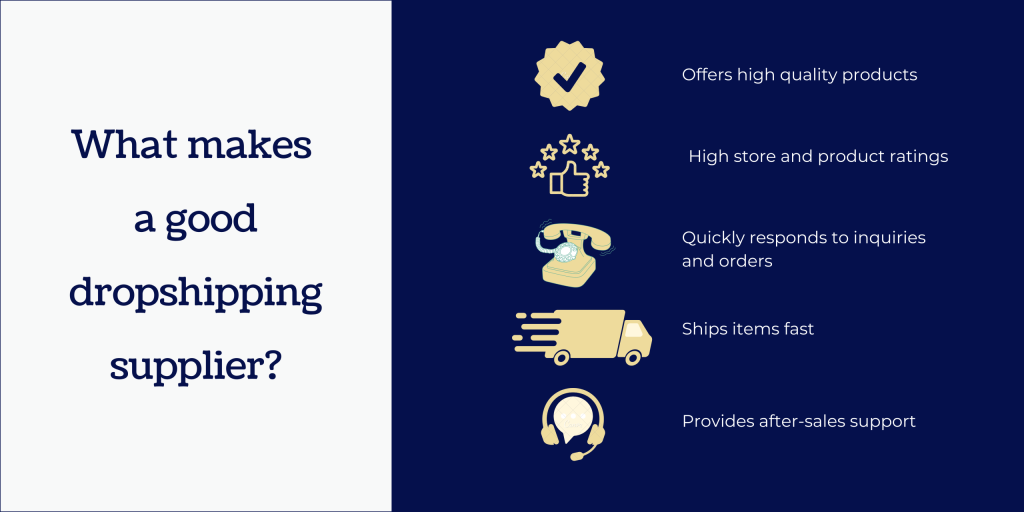
- Supplier reliability: Mistakes, stock-outs, or low-quality products reflect on your store.
- Low profit margins: Competition often drives prices down, leaving only a few dollars per sale.
- Customer service responsibilities: Even if you don’t ship the product, you handle complaints, returns, and refunds.
- Marketing costs: Driving traffic requires ads, email campaigns, or social media marketing—often a bigger cost than beginners expect.
- Legal and tax considerations: Business registration, taxes, and intellectual property compliance vary by country.
Tools for Dropshipping Success
Using the right tools can save time, reduce errors, and help your store scale. Here’s a breakdown:
1. Finding Products and Suppliers
- AliExpress & Alibaba – Popular for international suppliers.
- Spocket & Modalyst – US-based suppliers for faster shipping.
- SaleHoo – Directory of verified wholesalers.
2. Listing and Managing Products
- Oberlo – Integrates with Shopify for product import and automatic pricing.
- DSers – Bulk order management from AliExpress.
- WooCommerce – Flexible plugin for WordPress stores.
3. Order Fulfillment and Shipping
- Shopify Apps – Automate order placement with suppliers.
- AfterShip – Track shipments and notify customers automatically.
- EasyShip – Compare carriers and handle international shipping.
4. Marketing and Customer Management
- Klaviyo & Mailchimp – Email campaigns to engage customers.
- Canva – Create product images, social media content, and ads.
- Hootsuite or Buffer – Schedule social media posts efficiently.
Kevin uses Spocket to source products, Oberlo to import them into Shopify, and AfterShip to track deliveries. This setup automates much of the workflow, letting him focus on marketing and customer support.
Upsides of Dropshipping, If Done Right
- Low startup cost – No inventory investment.
- Flexibility – Run your store from anywhere.
- Scalability – Suppliers handle fulfillment, so you can grow without extra overhead.
- Experimentation – Test multiple products without risk.
- Hybrid possibilities – Combine FBA and dropshipping to optimize shipping and profits.
Key Takeaways
Dropshipping is an accessible, low-cost way to start an online business, but it comes with hidden challenges like shipping delays, supplier reliability, and marketing costs. Using the right tools, understanding supplier options, and differentiating between dropshipping and FBA can make the business more manageable and profitable. With proper planning, testing, and automation, dropshipping can become a scalable, flexible online business model.
Related Articles: