How Do Secured Credit Cards Work and Which Banks Offer Them?
A secured credit card is a type of credit card that requires a cash deposit upfront. This deposit acts as collateral and usually becomes your credit limit. For example, if you deposit ₱10,000, your credit limit is typically a percentage of that, say ₱8,000.
Despite the deposit, a secured credit card works much like a regular (unsecured) credit card. You can use it for everyday purchases, you receive a monthly statement, and you’re required to pay at least the minimum balance due.
Secured credit cards are commonly used by people who are new to credit, have little to no credit history, and are building credit after past issues.
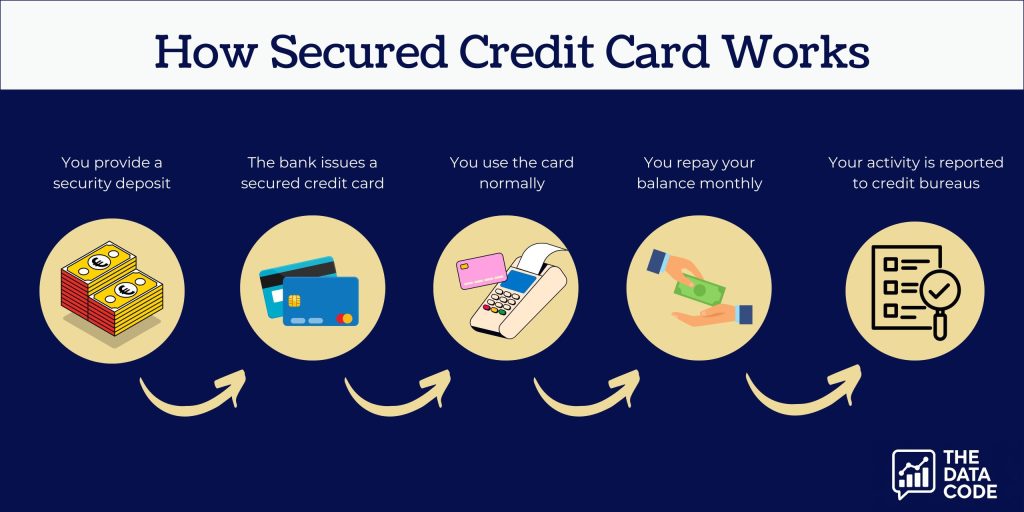
You provide a security deposit – This is refundable in most cases.
The bank issues a credit card – Your credit limit is tied to your deposit.
You use the card normally – Online payments, in-store purchases, subscriptions, etc.
You repay your balance monthly – Just like a standard credit card.
Your activity may be reported to credit bureaus – Helping you build or rebuild credit over time.
Remember that the deposit is not used to pay your balance automatically. You still need to pay your bill each month.
Secured vs. Unsecured Credit Cards
Feature
Secured Credit Card
Unsecured Credit Card
Deposit required
Yes
No
Credit limit
Based on deposit
Based on creditworthiness
Approval difficulty
Easier
Harder
Credit-building
Yes (if reported)
Yes
Ideal for
Beginners / rebuilding
Established credit users
Why Secured Credit Cards Help Build Credit
Secured credit cards help because they reduce risk for banks while still allowing users to demonstrate responsible credit behavior.
If the issuer reports your account to credit bureaus, positive habits such as paying on time, keeping balances low, and maintaining consistent usage can gradually improve your credit profile.
Over time, many users become eligible for:
A higher credit limit
An unsecured credit card
A refunded security deposit
Common Myths About Secured Credit Cards
“Secured cards are prepaid cards.” Not true. Prepaid cards don’t involve borrowing or credit reporting. Secured credit cards do.
“You don’t need to pay your bill because you already deposited money.” Also false. You must still pay your monthly balance.
“Secured cards don’t build credit.” They can, if the issuer reports to credit bureaus and you use the card responsibly.
Pros and Cons of Secured Credit Cards
Pros
Easier approval Because the card is backed by a cash deposit, banks take on less risk. This makes secured credit cards much easier to get approved for compared to regular credit cards, even if you have no credit history or past credit issues.
Useful for credit building When the issuer reports your activity to credit bureaus, responsible usage, such as paying on time and keeping balances low, can help establish or rebuild your credit profile over time.
Spending limit encourages discipline Since your credit limit is tied to your deposit, it naturally caps how much you can spend. This helps new cardholders avoid overspending and develop healthy credit habits early on.
Deposit is usually refundable The security deposit is not a fee. In most cases, it is returned to you when you close the card in good standing or successfully upgrade to an unsecured credit card.
Cons
Requires upfront cash You need to lock in a cash deposit before you can use the card. This money cannot be accessed for other expenses while the card is active, which may be inconvenient for some users.
Lower credit limits Because the credit limit is based on your deposit, secured cards usually start with lower limits compared to unsecured cards. This can limit large purchases and may affect credit utilization if balances are not managed carefully.
Some cards may have annual fees Certain secured credit cards charge annual or maintenance fees, which can reduce the overall value of the card, especially if you’re primarily using it for credit building rather than rewards.
Who Should Consider a Secured Credit Card?
A secured credit card may be a good fit if you:
Are applying for your first credit card
Were previously declined for unsecured cards
Want to rebuild credit safely
Prefer a controlled spending limit
Secured Credit Cards in the Philippines
In the Philippines, secured credit cards are commonly offered as holdout deposit or deposit-backed credit cards. These are especially popular among first-time cardholders and those with no credit history.
While product names and requirements vary by bank, the general structure is similar:
You open or use an existing savings or time deposit account
A portion (usually 80%–100%) of the deposit becomes your credit limit
The deposit remains locked while the card is active
Availability, terms, and names may change. Always confirm directly with the bank.
100% credit approval
At least ₱10,000 initial deposit
Credit limit = 90% of peso deposit
Deposit is released within 60 days of card cancellation and settlement of outstanding balance
Most Philippine secured credit cards report to local credit bureaus. After 6 months to one year, secured credit cards can be converted to unsecured cards given that you have a good track record. The deposit is also refunded upon cancellation of the secured card and after payment of the last outstanding balance.
Key Takeaway
A secured credit card is one of the safest and most practical ways to start or rebuild your credit, whether you’re in the Philippines or elsewhere.
By treating it like a regular credit card, paying on time and keeping balances low, you can build a solid credit foundation and eventually qualify for better financial products.
If you’re just starting out, a secured credit card isn’t a step backward, it’s a strategic first step.